Act II · Top notes · the field
Materials & Origins
Where the great perfumery materials grow, how they're extracted, and what makes each one distinct.
The Precious Materials
Every great perfume begins with extraordinary raw materials , harvested, extracted, and refined through processes perfected over centuries.
The Art of Extraction
Steam distillation captures volatile compounds by passing steam through plant material. Solvent extraction uses hexane to dissolve delicate aromatics, producing concretes and absolutes. CO₂ extraction , a modern method , uses pressurized carbon dioxide, yielding extracts closest to the living plant. Each method captures different facets of the same material.
Enfleurage: The Lost Art
A historical way to capture jasmine and tuberose. Fresh petals laid on glass plates coated with odorless fat, replaced daily for weeks. The fat absorbs the scent. Washed with alcohol to produce absolute. Labor-intensive beyond modern economics , only a handful of practitioners remain.
Tincturing: Time as Ingredient
Ambergris, civet, castoreum, oakmoss , materials too complex for distillation. Submerged in alcohol for months, even years. The solvent slowly extracts everything: waxes, resins, aromatics. The result is richer, more complete than any oil. Some tinctures improve for decades. Patience is the essential ingredient.
4 sourced · 5 unsourced
Evidence for this section: 4 sourced · 5 unsourced
Sources cited here include: Baig et al. (2025). Agarwood in the Modern Era: Integrating Biotechnology and Pharmacology for Sustainable Use; Tamil Nadu Agricultural University (TNAU), TNAU Agritech Portal, “Horticulture :; Moussaieff et al. (2008). Incensole acetate, an incense component, elicits psychoactivity by activating TRPV3 channels in the brain
Perfumery 101
This is the page I wish someone had handed me at the start. These fundamentals will transform how you experience, choose, and appreciate scent.
Perfume is a blend of aromatic compounds dissolved in alcohol and water. When you spray it, the alcohol evaporates and leaves the scent molecules on your skin. These molecules slowly release into the air , that’s what you smell. Simple, yet endlessly complex.
Every fragrance unfolds in three stages: Top notes hit first (citrus, herbs) and fade first. Heart notes emerge next (florals, spices) lasting hours. Base notes linger longest (woods, musks) , often for many hours.
Your unique skin chemistry , pH, oils, bacteria, diet, even medications , interacts with fragrance molecules. That’s why the same perfume smells different on everyone. Always test on skin, never just paper.
Parfum carries the highest share of perfume oil and lasts longest. Eau de Parfum balances strength and longevity. Eau de Toilette is lighter. Cologne is freshest but fades fastest. The exact strengths vary from house to house.
Natural ingredients come from plants and animals , expensive and variable. Synthetics are lab-created molecules , consistent from batch to batch. Safety depends on the material, not on where it came from. Modern perfumery uses both. Neither is “better” , they serve different purposes.
Spray on your inner wrist. Wait 30 seconds for alcohol to evaporate. Smell. Wait 10 minutes , smell again. Wait an hour , smell again. Only then do you know the fragrance. Never rush. Never judge on first spray.
Essential Vocabulary
Master these terms and you’ll understand any fragrance review or description.
Four Starter Scent Categories
A beginner’s map: four broad groups to start with. The fragrance wheel in the Library refines them.
Where Ingredients Come From
Every material in perfumery has a story , a place, a season, a tradition. Understanding provenance deepens appreciation.
1 sourced · 6 labelled · 2 unsourced
Evidence for this section: 1 sourced · 6 labelled · 2 unsourced
Sources cited here include: Crișan (2025). The Genus Iris Tourn. ex L.: Updates on Botany, Cultivation, Novel Niches and Impactful Applications
The dive · Kazanlak, Rose Valley, Bulgaria
Rosa damascena
The Rose
documented
The picking of rose blossom usually begins in May, starting in fields at elevations of 300-400 m above sea-level and continuing for about 20-25 days, when the rose blossoms have attained the required maturity and have 14-40 pinkish red petals and a pleasant and characteristic fragrance.
Publication of an application pursuant to Article 50(2)(a) of Regulation (EU) No 1151/2012 (‘Българско розово масло’… · the source · read 2026-09-27
June is derived: the document says the season starts in May and runs 20–25 (section 3.5) or 20–30 days (section 5.2), both quoted in "quotes" (the upper bound, 30, is the second); the "text" is the page’s corrected wording (the claims register)
- Odour threshold
- 0.006 µg/kg in water
- Picking season
- 20–30 days from May (PGI)
Fragrances built on this material Joy (Jean Patou, 1930)Nahéma (Guerlain, 1979)Rose Absolue (Annick Goutal)Portrait of a Lady (FM)Sa Majesté la Rose (Serge Lutens)
The record (rose absolute) · the record (rose otto: the picking)
3 sourced
Specimen I · Jasmine
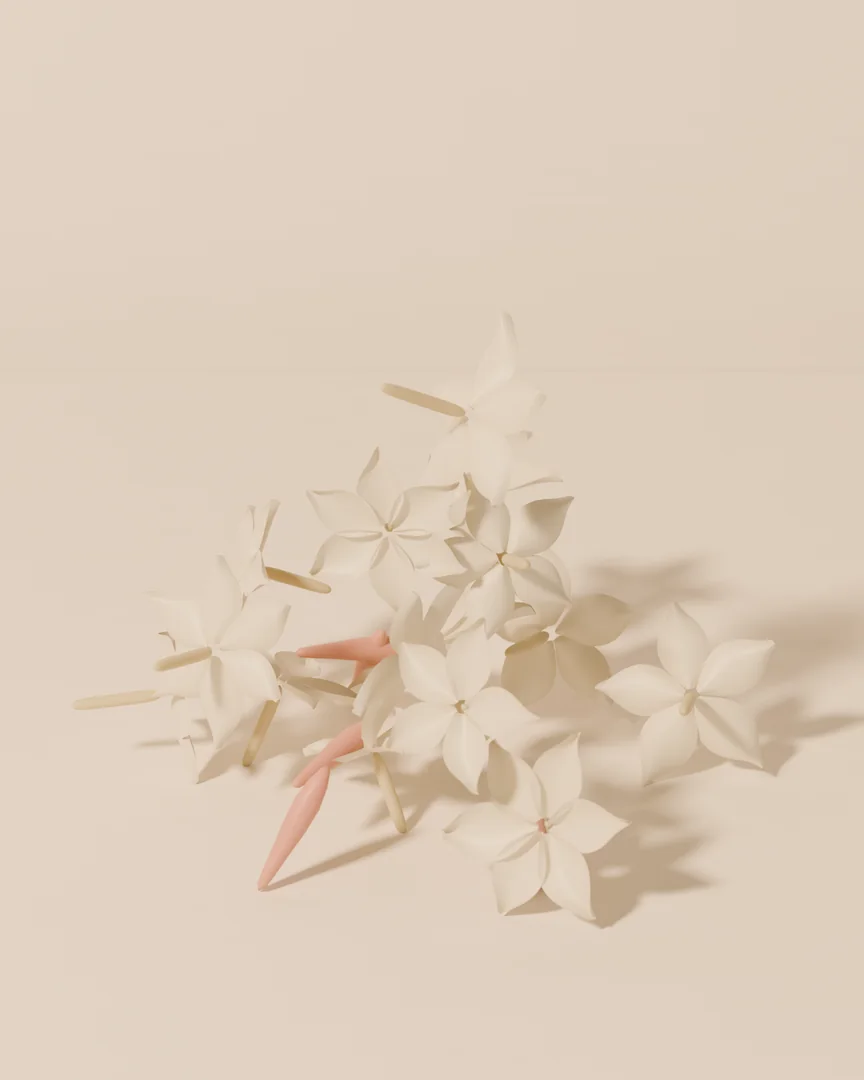
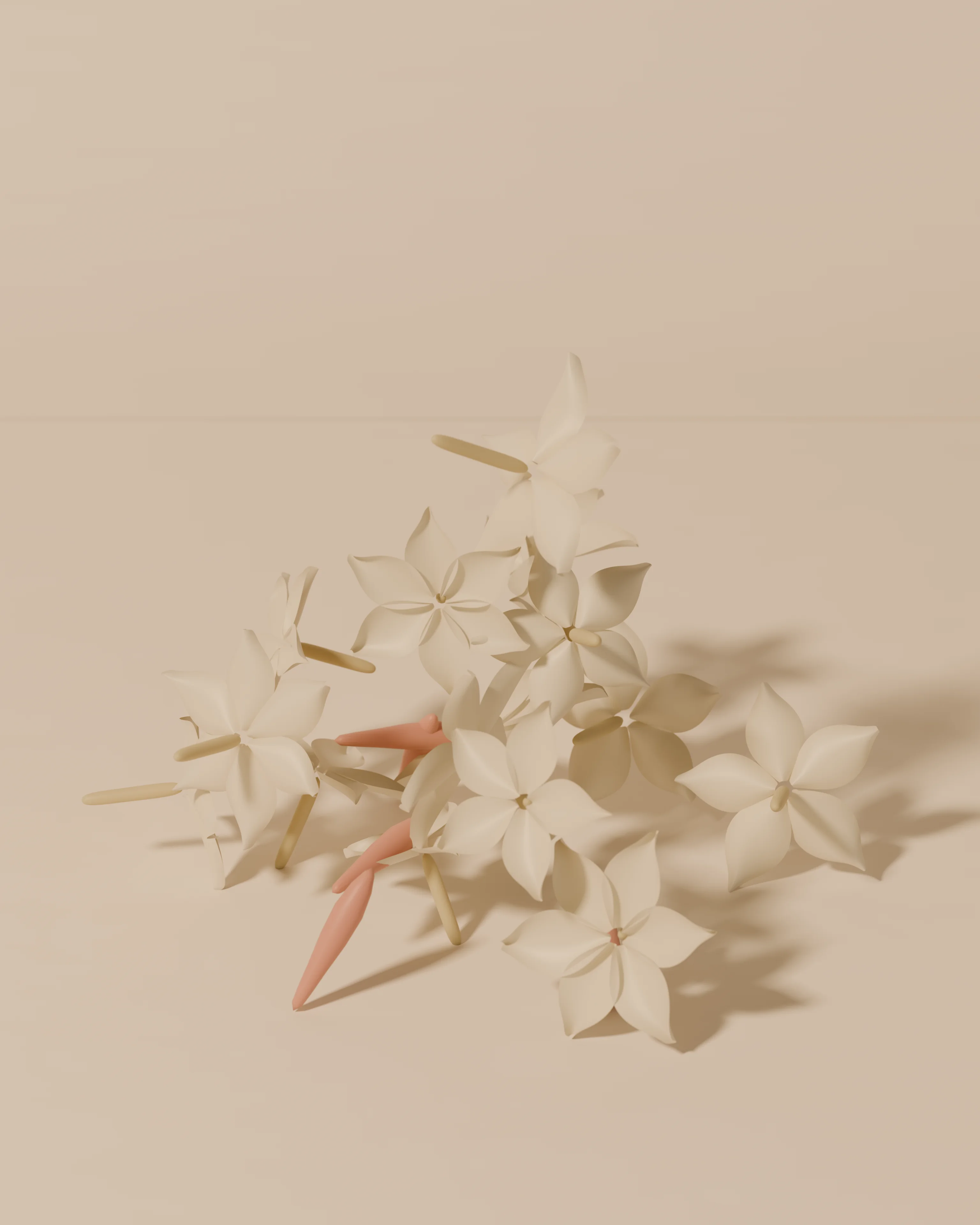
Jasminum grandiflorum
Jasmine Absolute
documented
Season of flowering and harvest Flowering starts from May to October. Fully developed unopened flower buds are picked in the morning for fresh flower trade.
Tamil Nadu Agricultural University (TNAU), TNAU Agritech Portal, “Horticulture : · the source · read 2026-09-30
the text is the page’s corrected wording (the claims register); the guide gives a start for the daily window only as “in the morning” (buds) and an end, 10 a.m., for oil flowers
Jasmine absolute is a labour-intensive material. For oil the opened flowers are picked by hand early in the day , before 10 a.m., the Tamil Nadu crop guide says , and a great many of them go into a single gram of absolute. They cannot be steam-distilled without destroying their character. Solvent extraction, then alcohol washing, captures the full molecular complexity that makes jasmine simultaneously floral, narcotic, and faintly animalic.
The duality of indole , jasmine’s signature molecule , is one of perfumery’s great paradoxes. At high concentration it is objectively fecal. At the trace levels present in jasmine absolute, it produces the headily narcotic depth that makes white flowers so seductive. The same molecule at different scales produces entirely opposite olfactory experiences. This is the chemistry of jasmine’s scandalous reputation.
- Harvest time
- Morning, before 10 a.m. (TNAU)
- Process
- Solvent extraction
Fragrances built on this material Joy (Jean Patou, 1930)Chanel No. 5A La Nuit (Serge Lutens)Grand Soir (Maison Margiela)Dior J’adore
The record (jasmine absolute) · the concrete
2 sourced
Evidence for this section: 2 sourced
Sources cited here include: PubChem Compound Summary for CID 798, Indole; Tamil Nadu Agricultural University (TNAU), TNAU Agritech Portal, “Horticulture :
Specimen II · Oud
Aquilaria malaccensis
Oud · Agarwood
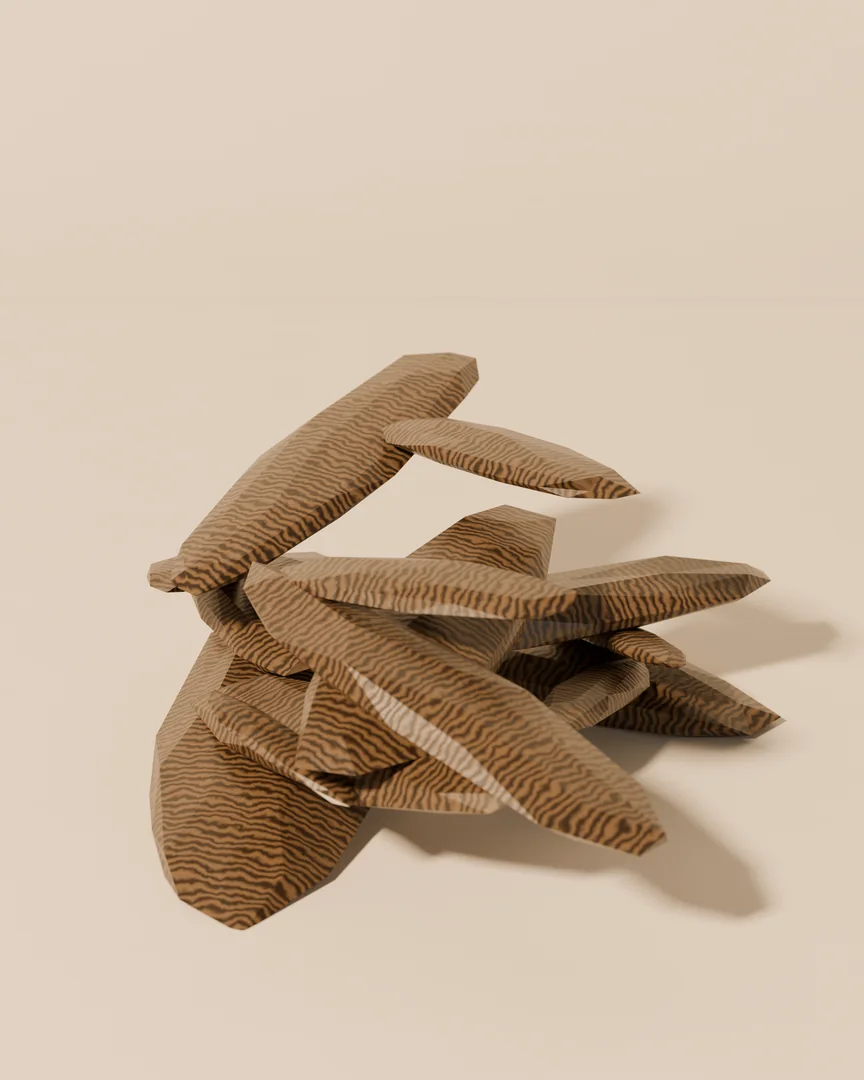
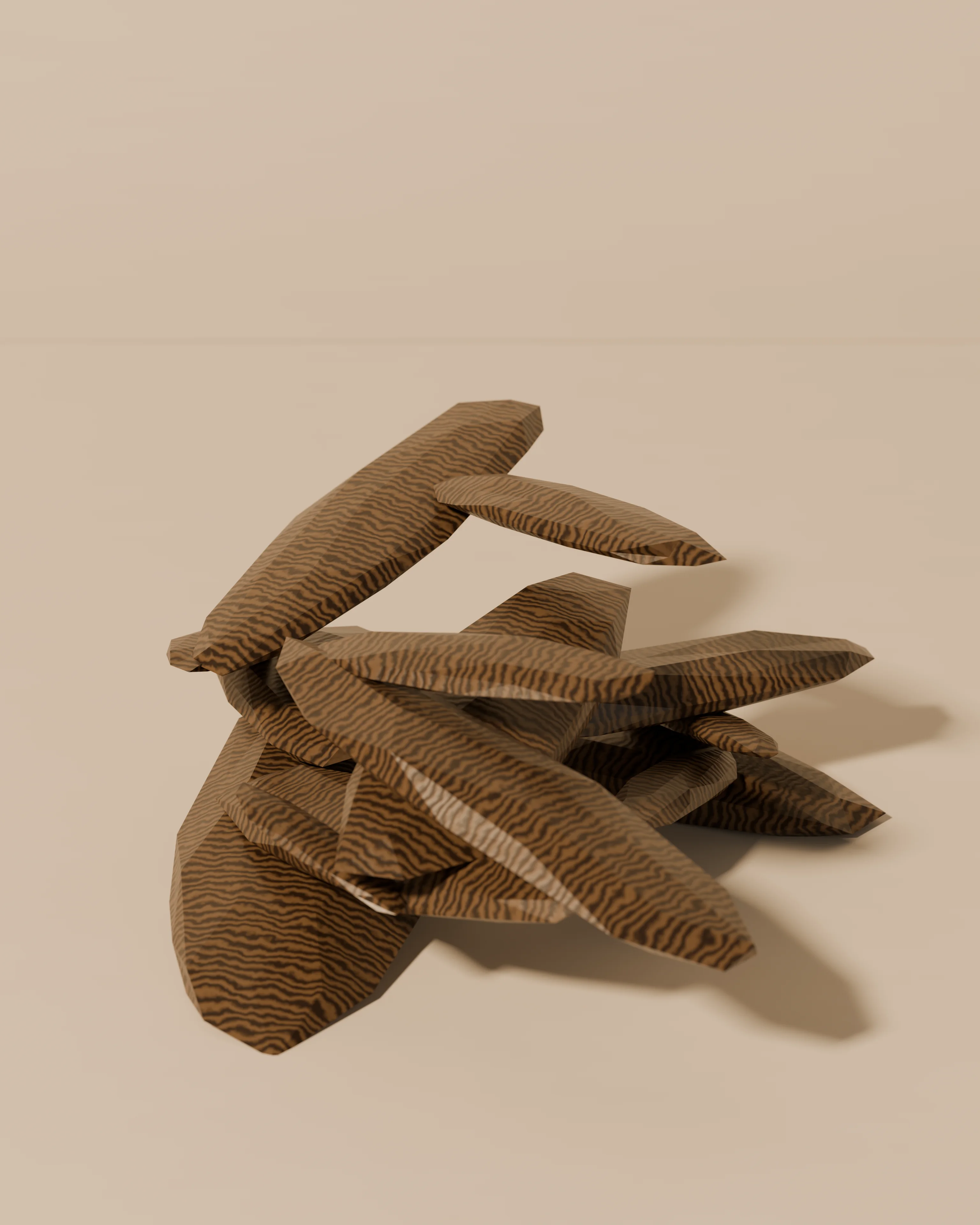
Oud is not a product of the Aquilaria tree , it is its wound response. When the tree is wounded or infected by a fungus, it produces a dark, fragrant resin as a biological defence. This resin , called agarwood , can take decades to accumulate in sufficient quantity and quality. Long-aged pieces are among the costliest materials in perfumery.
Wild Aquilaria is now scarce and its trade is regulated. Much of today’s oud comes from cultivated trees in which the infection is induced by hand. Wild oud from Assam or Borneo, aged naturally over decades, remains one of the costliest raw materials in any industry, and the grades prized in Japan as kyara are rarer still.
- Trade
- CITES Appendix II (the genus Aquilaria is listed)
- Accumulation time
- Decades
- Origin
- South-East Asia and India
Fragrances built on this material Oud Wood (Tom Ford)M7 (YSL, 2002)Oud Ispahan (Dior)Al Oudh (L’Artisan)Rose Oud (Byredo)
The record (agarwood oil)
2 sourced
Specimen III · Lavender
Lavandula angustifolia
Fine Lavender
documented
En altitude, comme à Argens ou Castellane (Alpes-de-Haute-Provence) ou à Grasse (Alpes-Maritimes), la lavande est récoltée sur une période plus longue, du mois de juillet jusqu'à la mi-août.
Rosati-Marzetti C, anthropologist: “Les pratiques de culture des lavandes dans les Alpes-de-Haute-Provence”, Fiche… · the source · read 2026-09-30
the sentence says « la lavande », which the fiche uses generically; at Argens the crop is fine lavender (HV-4)
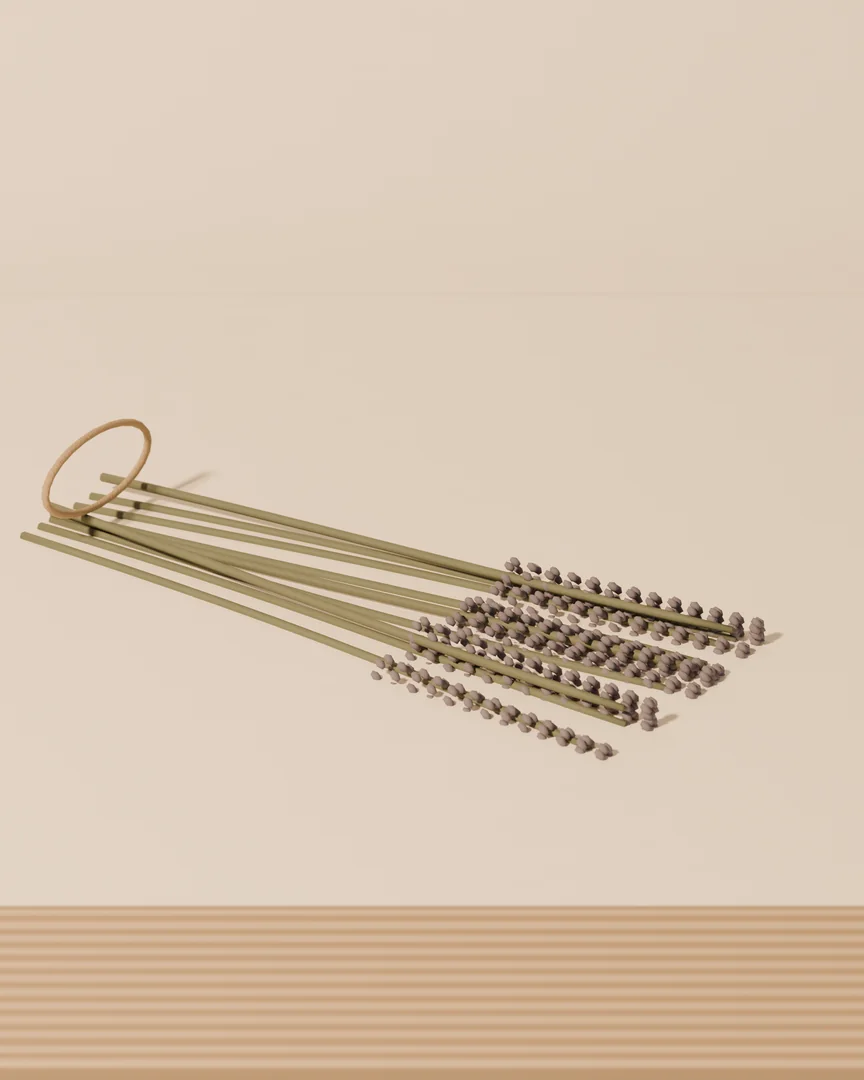
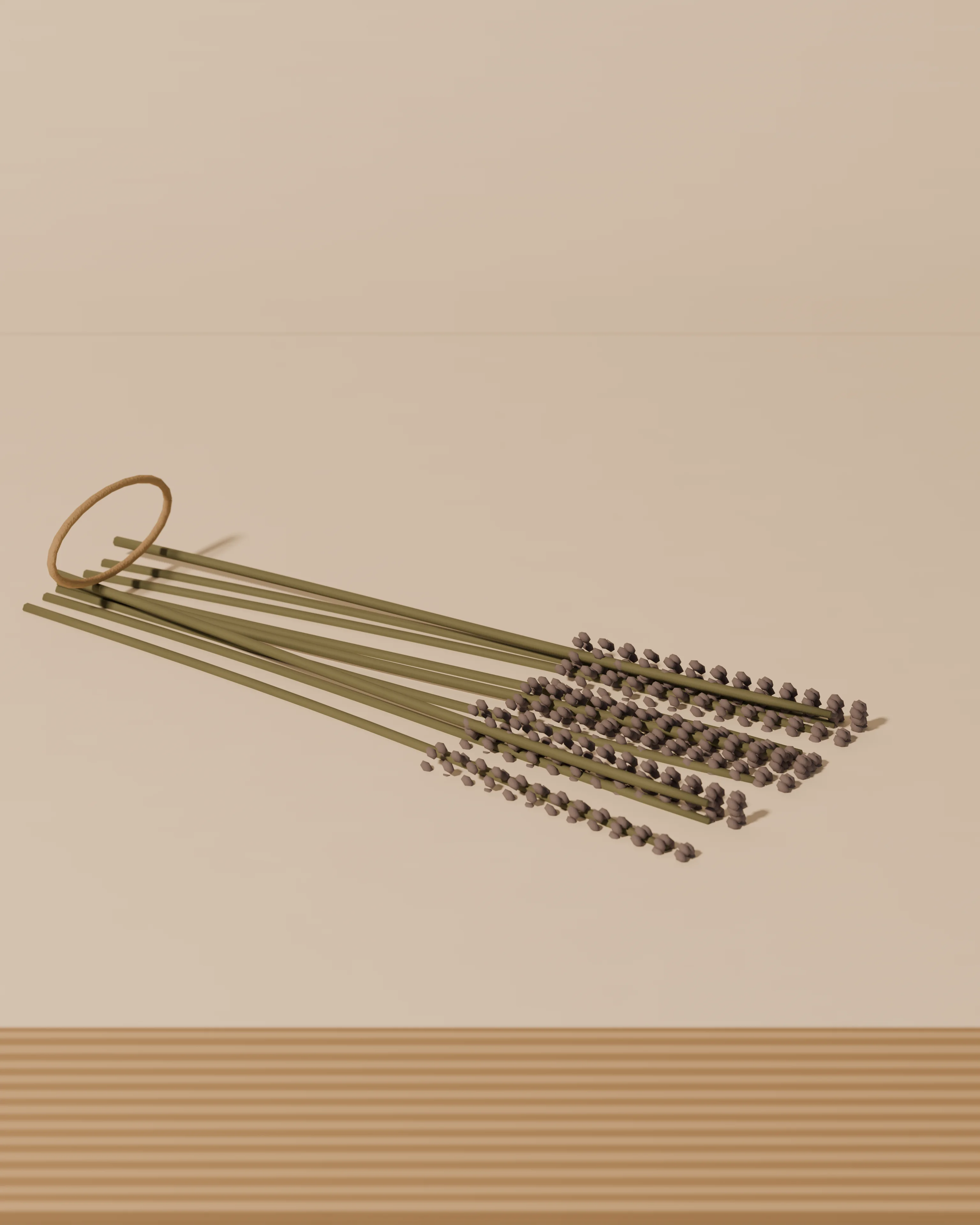
True fine lavender (as opposed to lavandin, its more robust hybrid) is cultivated above 800 m on the limestone plateaux of Haute-Provence, inside the AOC area. The altitude and thin soil produce a higher proportion of linalyl acetate , the ester that gives fine lavender its refined, slightly sweet quality , versus linalool, which contributes the sharper, more medicinal character dominant in lower-altitude cultivation.
The distinction between Lavandula angustifolia and Lavandula × intermedia (lavandin) is commercially significant and often deliberately obscured. Fine lavender is rarer and more expensive; lavandin gives almost three times as much essential oil as fine lavender, and a good deal of what is sold as “lavender” is lavandin. The gas chromatography of each is distinct and unmistakable to a trained analyst.
- Altitude
- Above 800 m (the AOC area)
- Natural sources
- Many plant species
- Harvest
- Mid-June to early July on the Valensole plateau; July to mid-August higher up (Ministry of Culture record)
Fragrances built on this material Pour un Homme (Caron, 1934)Jicky (Guerlain, 1889)English Lavender (Yardley)Drakkar Noir (Guy Laroche)Habit Rouge (Guerlain)
The record (lavender essential oil) · lavandin
1 sourced
Evidence for this section: 1 sourced
Sources cited here include: PubChem Compound Summary for CID 6549, Linalool
Specimen IV · Sandalwood
Mysore Sandalwood
Woody · Santalum album
The heartwood of decades , a prized wood in perfumery, its creamy, milky sweetness hard to match with any synthetic or other species.
Mysore sandalwood from Karnataka, India sets the global benchmark. The Santalum album tree is a hemiparasite , it must attach its roots to host trees to survive. The fragrant heartwood takes decades to develop, and harvest in India is tightly regulated. The scarcity makes genuine Mysore sandalwood oil one of the costliest materials in perfumery.
Alternative species exist , Australian (Santalum spicatum) and Hawaiian (Santalum paniculatum) , but connoisseurs consider them inferior. Mysore oil is rich in α-santalol, the source of its creaminess. The wood was sacred in Hindu and Buddhist tradition for millennia; carved sandalwood keeps its scent for a very long time.
- Tree maturity
- Decades
- α-Santalol
- With β-santalol, the main contributor to the scent
- Extraction
- Steam distillation
The record (sandalwood oil)
3 sourced · 1 labelled
Evidence for this section: 3 sourced · 1 labelled
Sources cited here include: Fatima et al. (2022). Comparative transcriptome profiling of high and low oil yielding Santalum album L.; Diaz-Chavez et al. (2013). Biosynthesis of Sandalwood Oil: Santalum album CYP76F Cytochromes P450 Produce Santalols and Bergamotol
Specimen V · Vetiver
Haitian Vetiver
Earthy · Chrysopogon zizanioides
The oil of the earth , smoky, rooty, ancient. Extracted from the roots of a humble grass, vetiver anchors many celebrated fragrances.
Vetiver is a tall, perennial grass native to India but cultivated worldwide. The oil comes not from leaves or flowers but from roots , dense, tangled networks that must be carefully washed and distilled. Haitian vetiver is prized for its depth and smokiness; Javanese and Réunion versions are cleaner but lack the complexity.
Haiti is one of the leading producers of vetiver oil, and the crop supports a great many small farmers. With about two hundred compounds on record, vetiver is a chemically complex natural material. Khusimol is among its most abundant alcohols, but the smell itself has been traced to a trace ketone, and the full orchestra creates the unmistakable character.
- Part used
- Roots
- Compounds
- About two hundred on record
- Distillation
- Long, slow distillation
The record (vetiver oil)
Specimen VI · Frankincense
Omani Frankincense
Resinous · Boswellia sacra
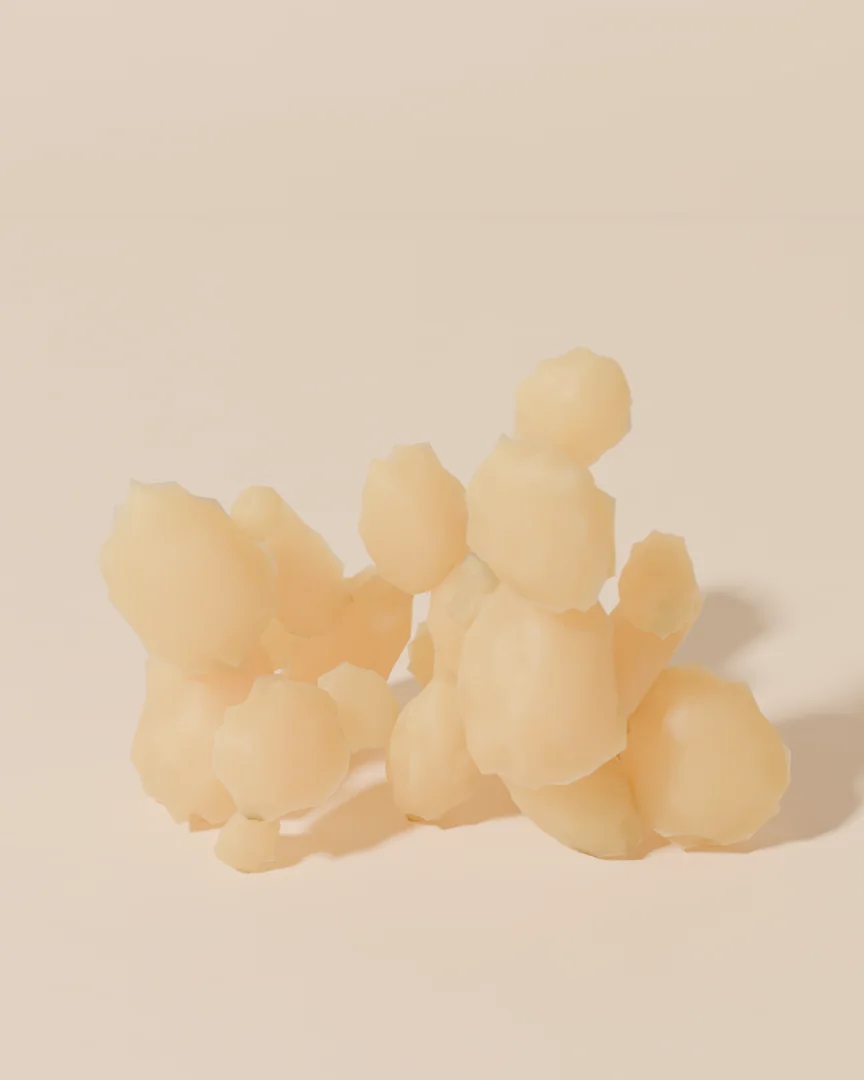
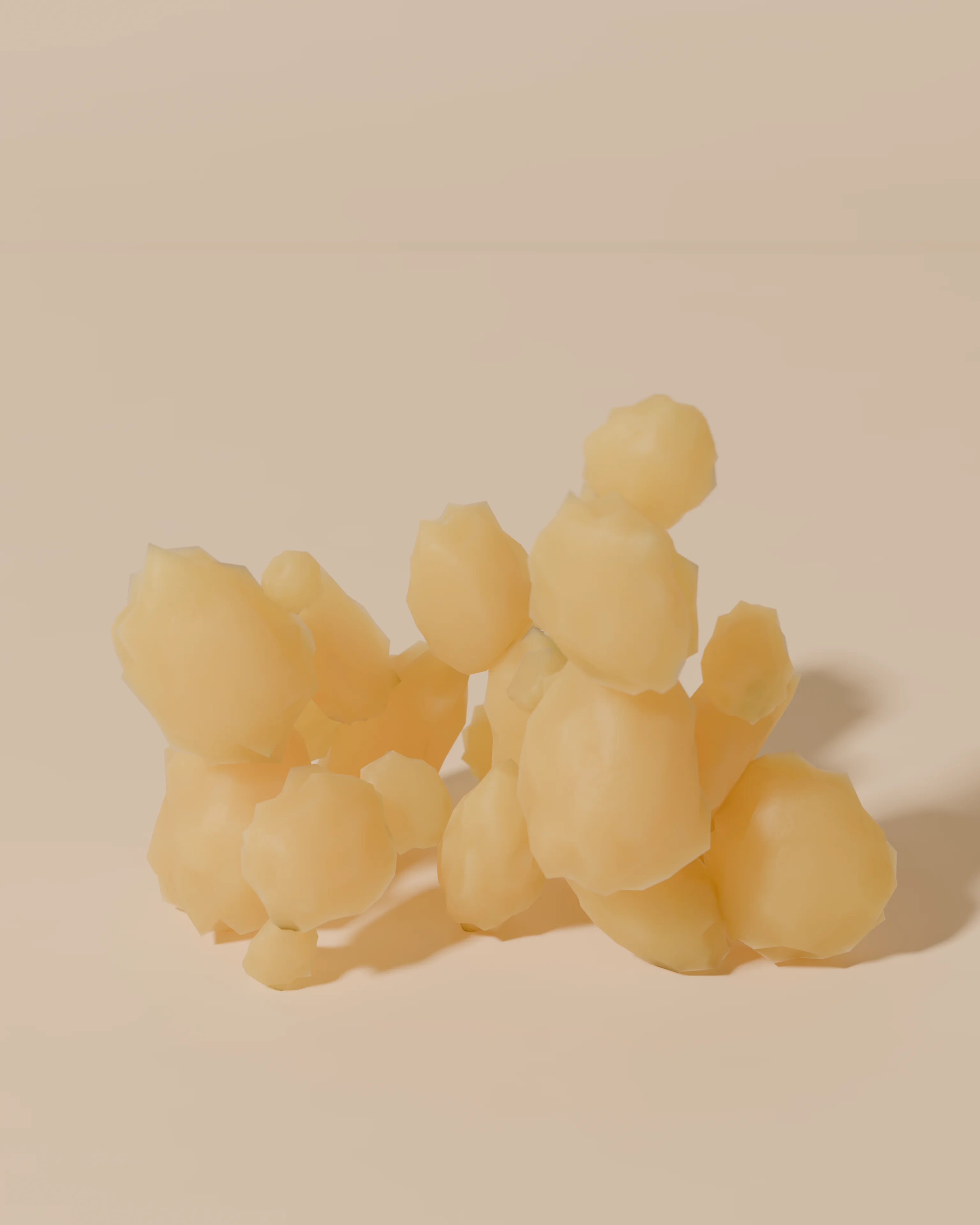
The sacred smoke of millennia , burned in temples from Jerusalem to Kyoto, frankincense links modern perfumery to aromatic traditions thousands of years old.
Frankincense is the hardened resin (tears) of Boswellia trees, harvested by making incisions in the bark. The Dhofar region of Oman produces Boswellia sacra. The Hojari grade (silvery-green tears from high altitude) commands premium prices. Ancient Egyptians burned it in temples; the Magi brought it to Bethlehem; it remains central to Orthodox Christian liturgy.
The scent is lemony, piney, balsamic with an unmistakable sacred smokiness. Laboratory studies in animals have reported effects of incensole acetate, a compound in the resin; what that means for people burning it is not established. Steam distillation yields the essential oil; CO₂ extraction captures a more complete profile.
- Top grade
- Hojari (Oman)
- Sacred use
- Thousands of years
- Harvest method
- Bark incisions
- Extraction
- Steam / CO₂
The record (frankincense resin)
1 sourced
Evidence for this section: 1 sourced
Sources cited here include: Moussaieff et al. (2008). Incensole acetate, an incense component, elicits psychoactivity by activating TRPV3 channels in the brain
Specimen VII · Bergamot
Calabrian Bergamot
Citrus · Citrus bergamia
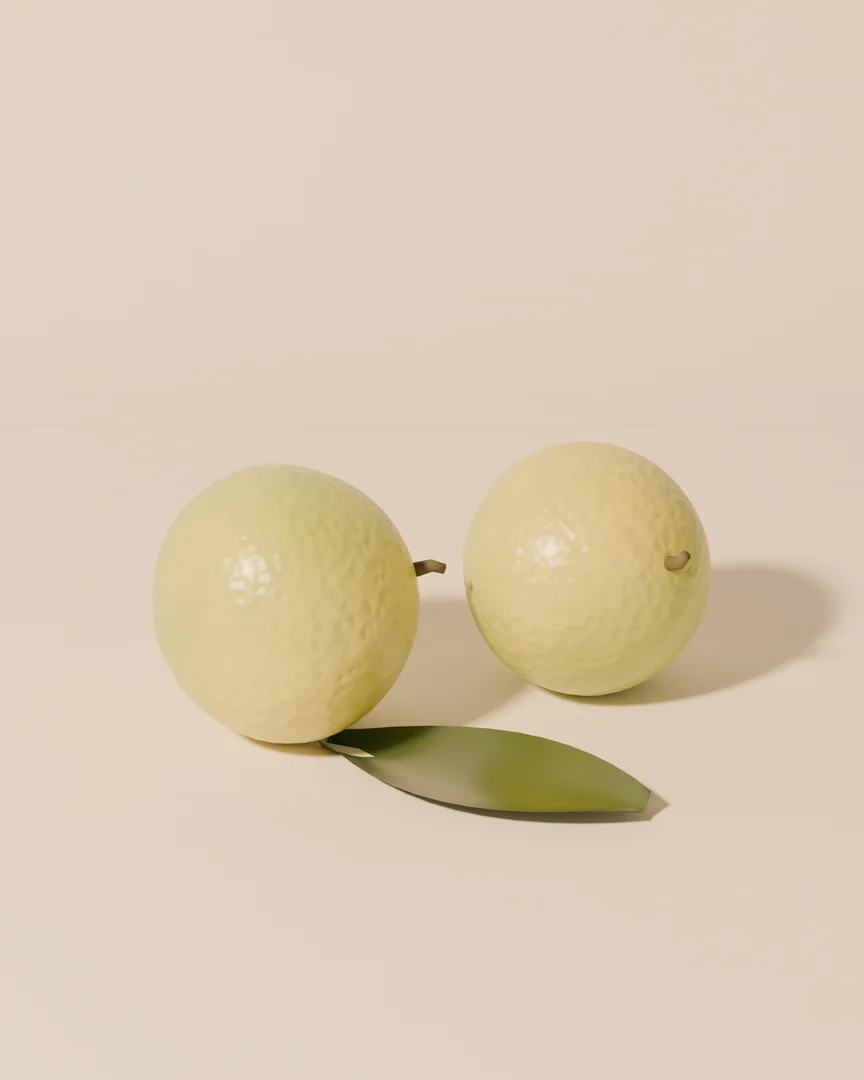
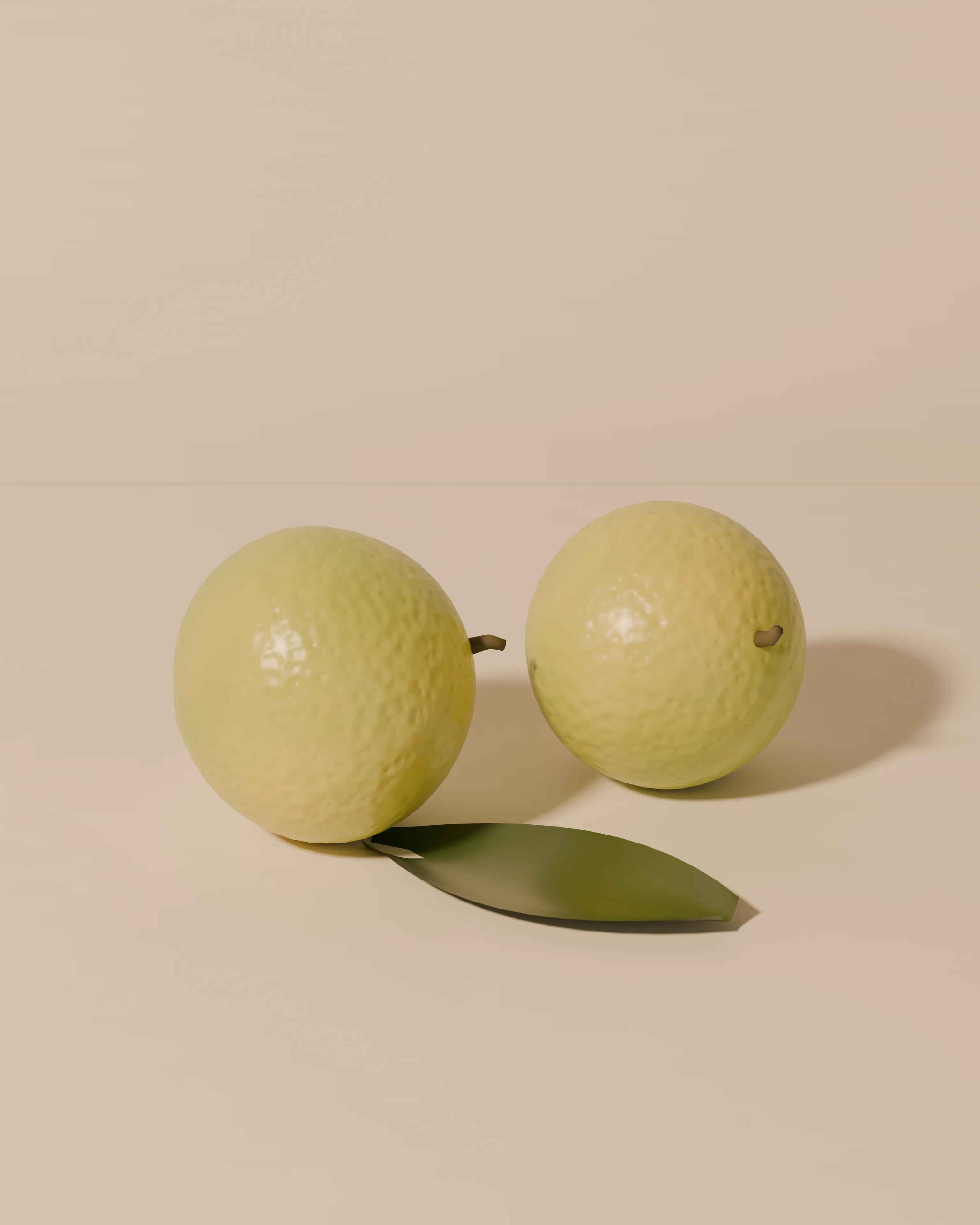
The sunshine citrus of southern Italy , bright, aromatic, distinctive. Bergamot opens much of classical perfumery, from the early colognes to Chanel No. 5.
Bergamot is a small, bitter citrus fruit grown mainly in the Calabria region of southern Italy, along a narrow coastal strip. Its microclimate , Mediterranean sun, the soil, coastal humidity , is hard to match elsewhere, and Calabria is the source most often named for bergamot oil.
The oil is cold-pressed from the peel, preserving delicate aromatic compounds that heat would destroy. Raw bergamot contains bergapten, a furanocoumarin that can make skin sensitive to sunlight , which is why perfumery generally uses bergapten-free (FCF) grades. The scent is simultaneously citrusy, floral, and slightly spicy , more complex than lemon or orange, more sophisticated than grapefruit. It provides the sparkling top note for countless classics.
- Calabria
- The source most often named
- Extraction
- Cold expression
The record (bergamot essential oil)
1 sourced
Evidence for this section: 1 sourced
Sources cited here include: Navarra et al. (2015). Citrus bergamia essential oil: from basic research to clinical application
Specimen VIII · Vanilla
Madagascar Vanilla
Gourmand · Vanilla planifolia
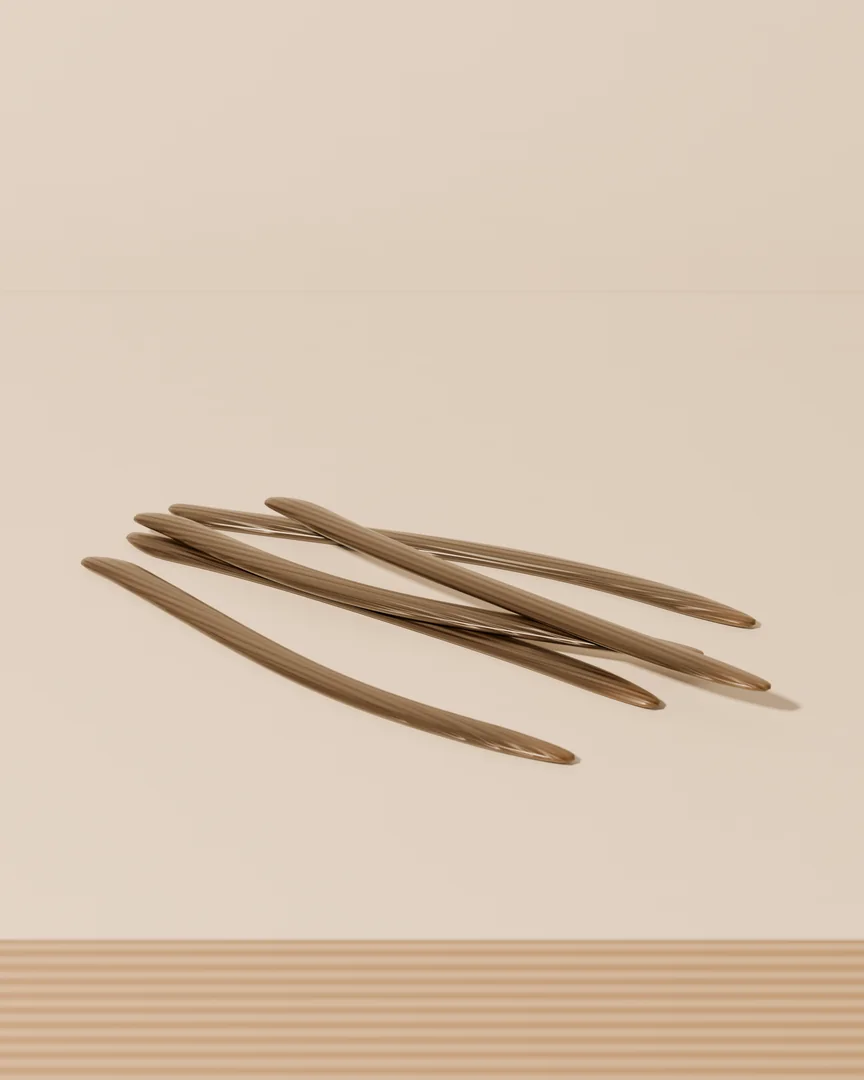
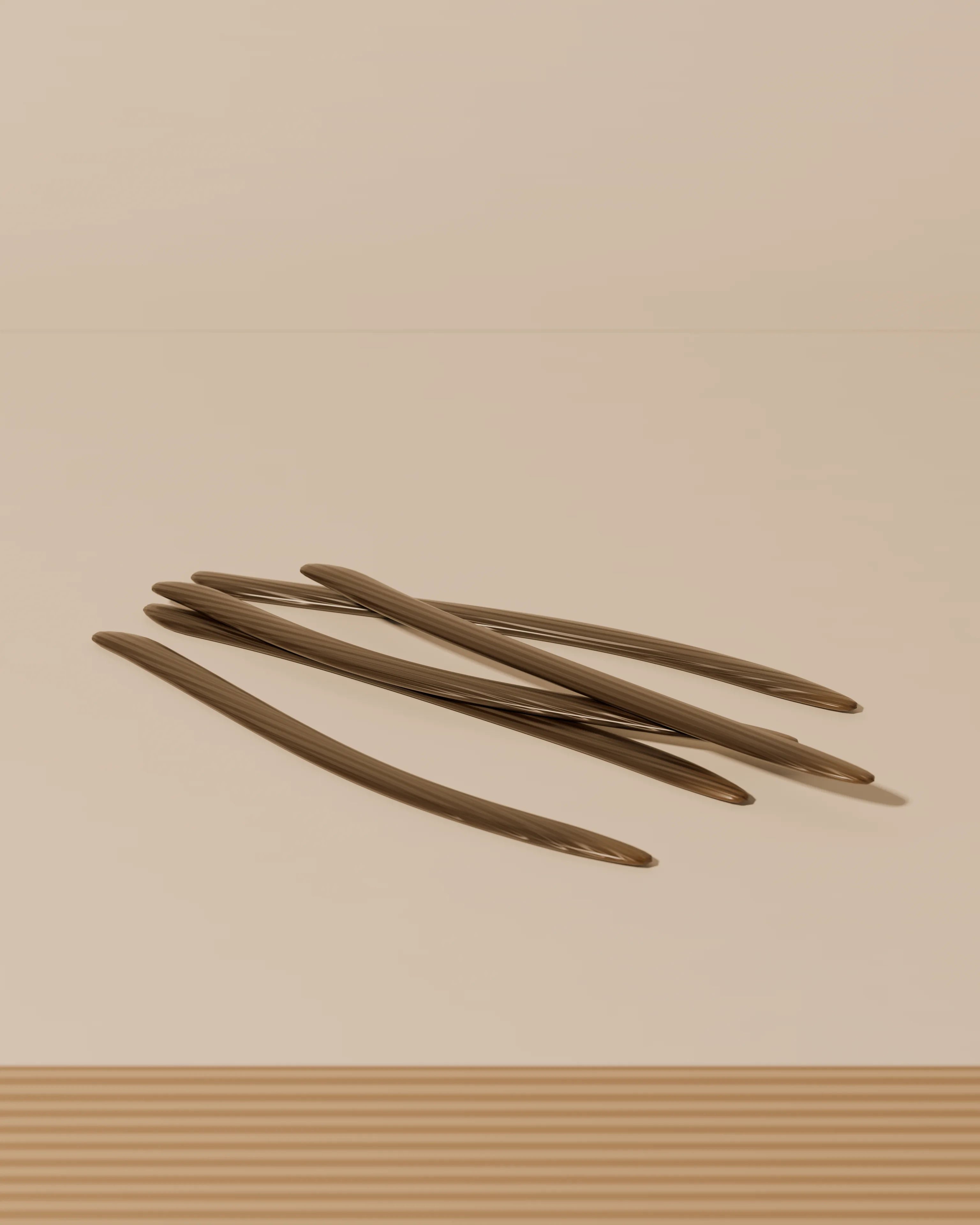
The queen of gourmand , warm, sweet, universally beloved. A labour-intensive spice: each flower pollinated by hand on the single day it is open.
Vanilla is an orchid, and its fruit is the vanilla pod. Native to Mexico, it was transplanted to Madagascar by French colonists in the 19th century. The island is now one of the leading growers of vanilla. Outside Mexico, no native pollinator exists , every flower must be hand-pollinated by workers using thin sticks, during the brief morning window when the flower is receptive.
Green vanilla pods are odorless; the characteristic scent develops only through months of curing , blanching, sweating, drying, conditioning. The process takes months. Vanillin is the dominant aromatic compound, but natural vanilla contains hundreds of compounds that give it depth synthetic vanillin cannot match. Madagascar Bourbon vanilla (named for the former colonial name Île Bourbon) is the global benchmark for perfumery and cuisine alike.
- Madagascar
- A leading grower
- Pollination window
- The single day the flower is open
- Curing time
- Months
- Aroma compounds
- Formed during curing
The record (cured vanilla pods)
1 unsourced
Evidence for this section: 1 unsourced
Specimen IX · Iris
Florentine Iris
Floral · Iris pallida
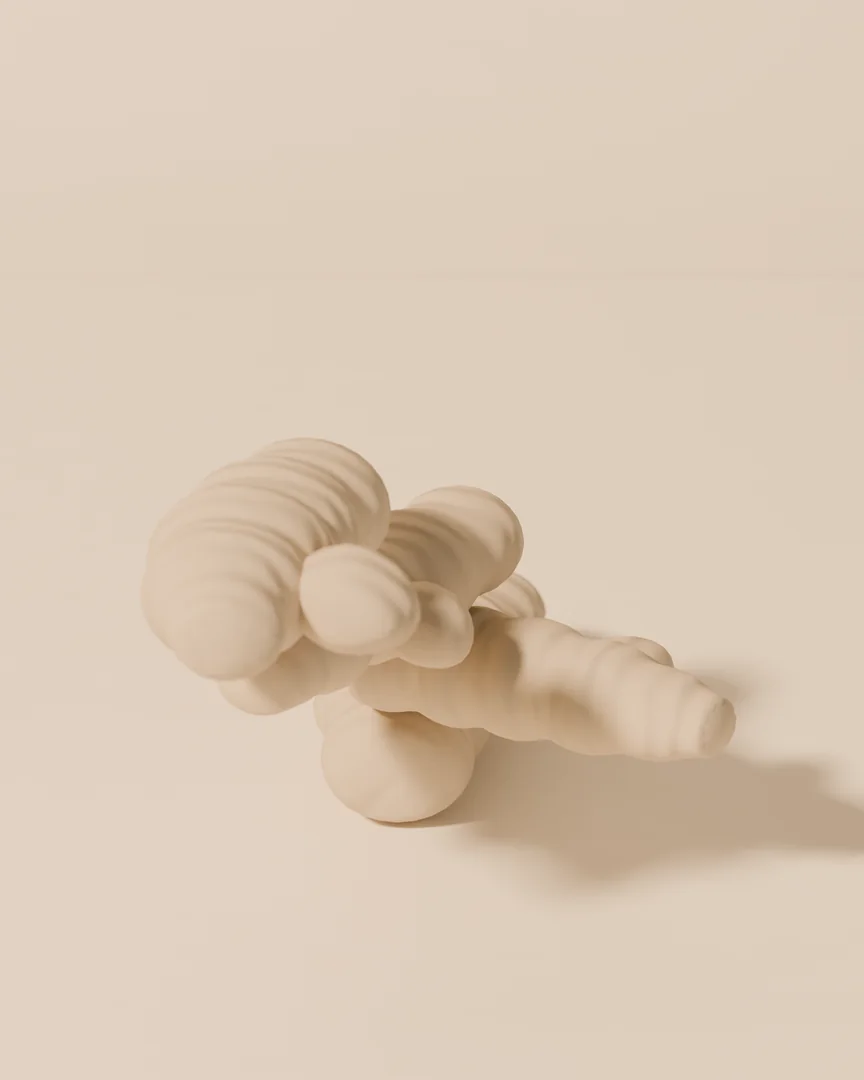
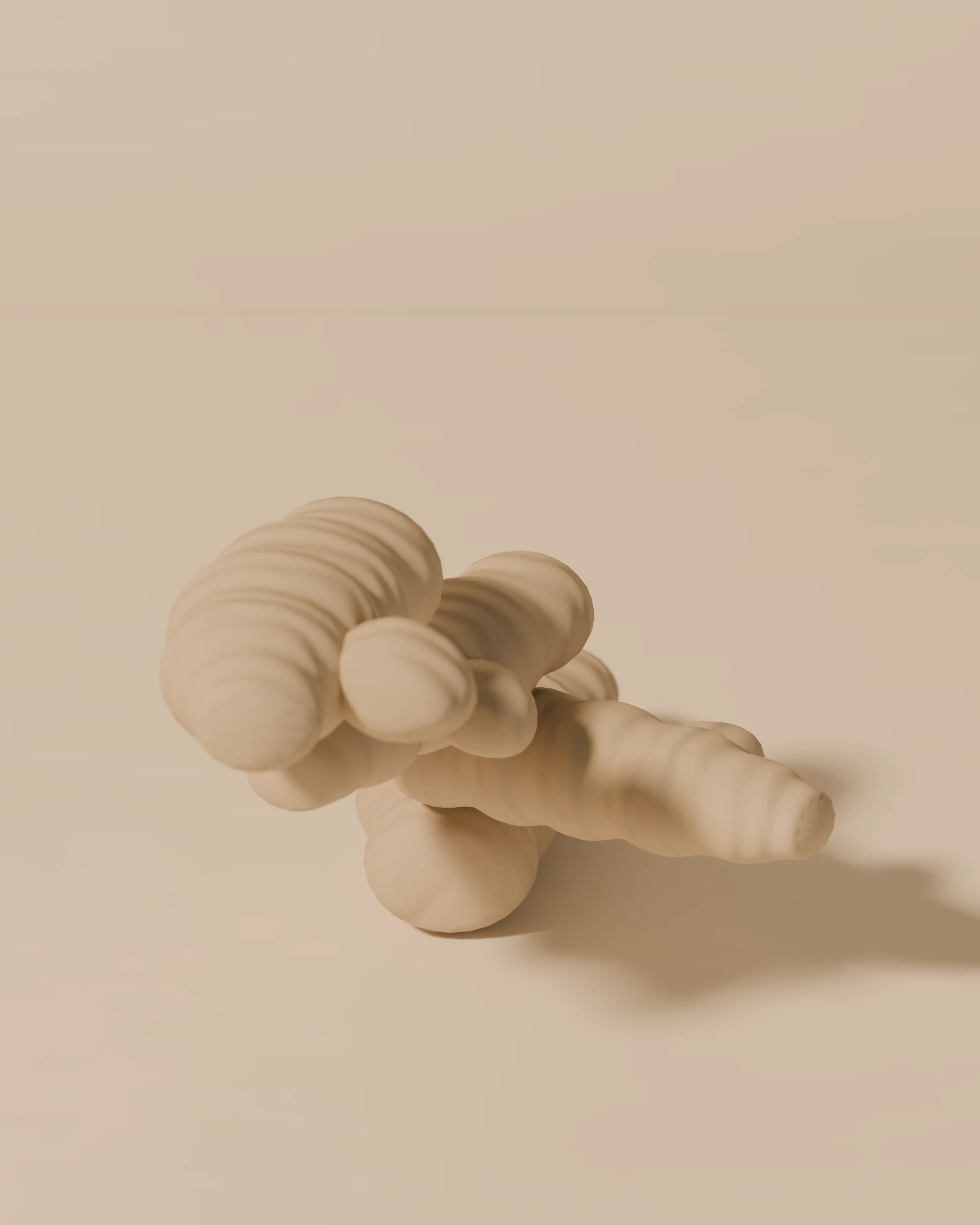
The powdery elegance of orris root , among the costliest natural materials in perfumery. Years of aging transform buried rhizomes into olfactory gold.
The fragrance comes not from iris flowers but from the rhizomes (roots), called orris root. After harvest, the roots must be peeled, dried, and aged for several years , during this time, iridals in the rhizome degrade by oxidation into irones, the precious ketones that give orris its powdery, violet-like character. Iris pallida is the basis of industrial orris in Tuscany, where irises have a long tradition as a crop; Italy was once the hallmark of orris production, and today it is grown mainly around Chianti and Pratomagno.
Orris butter , the steam-distilled oil, also called orris concrete , is produced after aging, and orris absolute is made from it. Orris butter is among the costliest materials any perfumer will ever handle. The scent is powdery, cool, elegant , refined and restrained. Synthetic irones (like Orris Givco) exist but cannot match the complexity of the natural. Florentine orris remains hard to replace in haute perfumery.
- Aging time
- Several years
- Part used
- Rhizomes (roots)
- Key compound
- α-Irone
The record (orris butter)
1 labelled
Evidence for this section: 1 labelled
Where fragrance grows
Many of perfumery’s great materials come from a handful of storied regions , each with its own soil, climate and centuries of expertise.
| Place | Material | Point | Local time | Harvest (sourced) |
|---|---|---|---|---|
| Alpes-de-Haute-Provence, France | fine lavender, lavandin | 44.1°N 6.2°E | --:-- Europe/Paris | July to mid-August at altitude (Argens, Castellane) (fine lavender) documented
Rosati-Marzetti C, anthropologist: “Les pratiques de culture des lavandes dans les Alpes-de-Haute-Provence”, Fiche… · the source · read 2026-09-30 the sentence says « la lavande », which the fiche uses generically; at Argens the crop is fine lavender (HV-4) Mid-June to early July on the Valensole plateau (fine lavender) documented
Rosati-Marzetti C, anthropologist: “Les pratiques de culture des lavandes dans les Alpes-de-Haute-Provence”, Fiche… · the source · read 2026-09-30 the first half of the sentence (« la lavande, plus précoce que le lavandin »: fine lavender, set against lavandin) From about 10 July to the end of July on the Valensole plateau (lavandin) documented
Rosati-Marzetti C, anthropologist: “Les pratiques de culture des lavandes dans les Alpes-de-Haute-Provence”, Fiche… · the source · read 2026-09-30 the second half of the same sentence; the house’s harvest table’s windows list carries fine lavender only |
| Grasse, France | fine lavender | 43.7°N 6.9°E | --:-- Europe/Paris | July to mid-August documented
Rosati-Marzetti C, anthropologist: “Les pratiques de culture des lavandes dans les Alpes-de-Haute-Provence”, Fiche… · the source · read 2026-09-30 the window is documented; the botanical is inferred: the sentence says « la lavande », which the fiche uses generically |
| Kazanlak, Rose Valley, Bulgaria | damask rose | 42.6°N 25.4°E | --:-- Europe/Sofia | Picking starts in May and lasts 20–30 days · from 5–6 a.m. to about noon documented
Publication of an application pursuant to Article 50(2)(a) of Regulation (EU) No 1151/2012 (‘Българско розово масло’… · the source · read 2026-09-27 June is derived: the document says the season starts in May and runs 20–25 (section 3.5) or 20–30 days (section 5.2), both quoted in "quotes" (the upper bound, 30, is the second); the "text" is the page’s corrected wording (the claims register) |
| Taif, Saudi Arabia | damask rose | 21.3°N 40.4°E | --:-- Asia/Riyadh | Picking from the end of March for 35–45 days documented
Saudipedia, ‘Rose Cultivation in the Kingdom’ (national encyclopedia launched by the Ministry of Media on 24 February… · the source · read 2026-09-27 April and May are derived by arithmetic from the stated start and duration (the house’s review); the source calls it the Taif rose and does not name the species (see the Botanical record) |
| Tamil Nadu, India | jasmine | 11.0°N 79.0°E | --:-- Asia/Kolkata | Flowering and harvest May–October · flowers for oil picked before 10 a.m. documented
Tamil Nadu Agricultural University (TNAU), TNAU Agritech Portal, “Horticulture : · the source · read 2026-09-30 the text is the page’s corrected wording (the claims register); the guide gives a start for the daily window only as “in the morning” (buds) and an end, 10 a.m., for oil flowers |
| Florence, Italy | iris | 43.8°N 11.3°E | --:-- Europe/Rome | not stated , no dated source yet |
| Calabria, Italy | bergamot | 39.0°N 16.5°E | --:-- Europe/Rome | not stated , no dated source yet |
| Haiti | vetiver | 19.0°N 72.8°W | --:-- America/Port-au-Prince | not stated , no dated source yet |
| Dhofar, Oman | frankincense tree | 18.0°N 54.0°E | --:-- Asia/Muscat | not stated , no dated source yet |
| Mysore, Karnataka, India | Indian sandalwood | 12.3°N 76.7°E | --:-- Asia/Kolkata | not stated , no dated source yet |
| Borneo, Malaysia | agarwood tree | 2.5°N 113.0°E | --:-- Asia/Kuching | not stated , no dated source yet |
| Madagascar | vanilla | 20.0°S 47.0°E | --:-- Indian/Antananarivo | not stated , no dated source yet |
coordinates , Wikidata (a representative point for the place, not a farm); time zones , the IANA tz database; seasons , HV-1 the EU register of the Bulgarian rose-oil PGI, HV-2 Saudipedia, HV-3 the TNAU crop guide, HV-4 the French Ministry of Culture heritage record. Local time is a clock, not a claim. Full citations are on each origin’s record page, for example Kazanlak.
3 sourced · 1 labelled
Evidence for this section: 3 sourced · 1 labelled
Sources cited here include: Kirdat et al. (2022). Nested Real-Time PCR Assessment of Vertical Transmission of Sandalwood Spike Phytoplasma (‘Ca; Crișan (2025). The Genus Iris Tourn. ex L.: Updates on Botany, Cultivation, Novel Niches and Impactful Applications; Baig et al. (2025). Agarwood in the Modern Era: Integrating Biotechnology and Pharmacology for Sustainable Use
The molecules behind
nature’s masterworks
Natural aromatic materials are ecosystems of hundreds of molecules, not single compounds. Each card below shows the dominant one. Tap a card for detail.
20 sourced · 3 labelled · 2 unsourced
Evidence for this section: 20 sourced · 3 labelled · 2 unsourced
Sources cited here include: PubChem Compound Summary for CID 5366074, beta-Damascenone; PubChem Compound Summary for CID 798, Indole; PubChem Compound Summary for CID 1183, Vanillin
The Ingredient World Map
Perfumery is geography made invisible. From Kazanlak rose to Mysore sandalwood, from Calabrian bergamot to Malagasy vanilla , every great fragrance is a map of the world distilled into scent.
- Alpes-de-Haute-Provence fine lavender, lavandin
- Grasse fine lavender
- Kazanlak damask rose
- Taif damask rose
- Tamil Nadu jasmine
- Florence iris
- Calabria bergamot
- Haiti vetiver
- Dhofar frankincense tree
- Mysore Indian sandalwood
- Borneo agarwood tree
- Madagascar vanilla
This map is the 2D edition of the harvest globe; the pins list the origins, with links to their essays. The pins and the globe are drawn from the same Origin records; each point is Wikidata’s representative point for the place, not a field.
Ingredient Regions
7 sourced · 5 unsourced
Evidence for this section: 7 sourced · 5 unsourced
Sources cited here include: Tamil Nadu Agricultural University (TNAU), TNAU Agritech Portal, “Horticulture :; Publication of an application pursuant to Article 50(2)(a) of Regulation (EU) No 1151/2012 (‘Българско розово масло’…; Diaz-Chavez et al. (2013). Biosynthesis of Sandalwood Oil: Santalum album CYP76F Cytochromes P450 Produce Santalols and Bergamotol
Raw Material Adulteration
The fragrance supply chain harbors secrets the industry prefers not to discuss. Adulteration, fraud, and the economic pressures that compromise “natural” materials.
Genuine Bulgarian rose oil is one of the costliest oils in perfumery, and adulteration is common. Common cuts include: geranium oil (citronellol-rich, similar profile), synthetic phenylethyl alcohol, palmarosa oil, and even cheaper Turkish or Moroccan rose diluted to Bulgarian specifications. Adulteration of “Bulgarian rose” is widely reported, and buying directly from distillers, with testing, is the surest protection.
Genuine Mysore sandalwood (Santalum album) is scarce in commercial quantities, and illegal harvesting has been reported. What’s sold as “sandalwood oil” is often: Australian S. spicatum (different species, different smell), synthetic santalol blends, or Indian sandalwood heavily diluted with synthetics. Buyer beware.
Genuine agarwood oud is among the costliest raw materials there are, and the grade decides how costly. The “oud” in an everyday fragrance is usually a reconstruction , combinations of materials such as Javanol, Cashmeran, cypriol and oud bases , and even specialist attars can be diluted or extended. Authentic oud is a luxury few have actually smelled.
Even humble lavender faces adulteration. Pure Lavandula angustifolia from Provence costs far more than lavandin (a hybrid). Standard practice: cut fine lavender with lavandin, synthetic linalool, and linalyl acetate. The result smells “lavender enough” for most applications. GC-MS analysis is how it is caught; a “100% pure” label on its own proves little.
Adulteration isn’t just fraud , it affects olfactory experience. A perfumer designing with “jasmine absolute” that’s actually partly synthetic indole and benzyl acetate creates a different fragrance than one using genuine Grasse jasmine. When materials are substituted downstream without disclosure, formulas drift from their creator’s intent. The Big Four maintain rigorous supply chains precisely because consistency matters. Smaller houses and “natural perfumers” often cannot verify what they’re actually buying.
| Material | Common adulterant | Detection | Cost gap |
|---|---|---|---|
| Rose otto Bulgarian | Geranium oil + citronellol | Difficult at low levels of adulteration | Real oil is costly; cut oil much cheaper |
| Oud / Agarwood | Animal fat, cheaper wood oils, synthetics | GC-MS shows sesquiterpene ratio | Real oud is rare and costly; fraud common |
| Sandalwood Mysore | Australian or Indonesian sandalwood + synthetics | α/β santalol ratio analysis | True Mysore is scarce; substitutes are cheap |
| Jasmine absolute | Hedione, methyl jasmonate, synthetics | GC-MS headspace analysis | Real absolute is costly; synthetics cheap |
| Orris absolute | Iris pallida CO2 + irone synthetics | Ionone isomer ratio analysis | Real orris butter is among the costliest; substitutes far cheaper |
the house's editorial summary of documented practice; the cost figures were removed until they can be sourced
3 labelled · 3 unsourced
Evidence for this section: 3 labelled · 3 unsourced
Regional Traditions
Perfumery evolved differently across cultures , each region developing distinctive aesthetics, materials, and philosophies. Understanding these traditions illuminates the global tapestry of scent.
French Perfumery
The epicenter of Western perfumery since the 16th century. French tradition emphasizes structure, balance, and the concept of accord , multiple notes blending into a unified impression greater than its parts. Grasse remains the world capital, supplying jasmine, rose, and tuberose to houses worldwide. The grandes maisons (Guerlain, Chanel, Dior) defined luxury perfumery and maintain in-house perfumers who work for decades on a single house’s aesthetic. French perfumery is architectural: it thinks in terms of pyramids, accords, and evolution over time.
Arabic Perfumery
A long continuous perfumery tradition. Arabic (Gulf) perfumery centers on oud, rose, saffron, amber, and animalic musks , materials of extraordinary intensity applied liberally. Where French perfumery values restraint, Gulf perfumery celebrates abundance. Attars (oil-based perfumes) avoid alcohol entirely; bakhoor (incense) scents the home; traditional dahn al oud is pure resin oil. The aesthetic is immersive: fragrance as a cloud that surrounds, announces, and lingers. In the Gulf, underperfuming is the error , generous application signals hospitality and wealth.
Japanese Perfumery
Rooted in Kōdō , the Way of Incense , the Japanese approach to scent is meditative rather than projecting. Subtlety, negative space, and seasonality define the aesthetic. Fragrances are often barely perceptible, meant to be discovered rather than announced. The concept of “ma” (間) , meaningful emptiness , applies: what’s absent is as important as what’s present. Modern Japanese houses like Shiseido blend this minimalist philosophy with French technical training, creating fragrances that feel transparent, ethereal, almost watercolor-like.
Indian Perfumery
India’s perfumery tradition rivals France’s in age and sophistication. The attar (itr) tradition of Kannauj produces oil-based perfumes using deg-bhapka distillation into sandalwood oil base , a technique unchanged for centuries. Indian perfumery celebrates intensity: tuberose, jasmine sambac, champaca, frangipani , all headily narcotic flowers. Sandalwood from Mysore sets the global benchmark. Religious and ceremonial uses remain central: no temple is without its characteristic agarbatti (incense). Modern Indian perfumery increasingly influences global trends, especially in oud and white floral categories.
American Perfumery
The youngest major tradition. American perfumery emerged in the 20th century with a democratic, accessible, clean-scent focus. Where European traditions emphasized complexity and history, American perfumery valued freshness, wearability, and mass appeal. The “clean” category is essentially American , Estée Lauder’s White Linen, Calvin Klein’s Obsession and CK One, the entire Tommy Hilfiger aesthetic. American niche houses (Le Labo, Byredo via NYC influence, D.S. & Durga) now lead global trends, blending European training with American informality.
Italian Perfumery
Historically the bridge between East and West. Venice was the medieval crossroads of the spice and fragrance trade; Florence pioneered iris cultivation for orris root. Modern Italian perfumery marries elegance with accessibility , Acqua di Parma’s refined citrus colognes, Bulgari’s sophisticated simplicity, the sensual warmth of Santa Maria Novella’s centuries-old formulas. Italian fragrances feel effortless, luxurious without ostentation. Calabrian bergamot remains the world’s benchmark; Florentine iris the costliest natural material in perfumery.
Scent Traditions of the World
Long before it was bottled and sold, scent was sacred and social , living traditions of smoke, oil and ceremony that still flourish far from the Paris laboratory.
The Mabkhara and the Blended Oil , Scent in the Gulf
Across the Arabian Peninsula, fragrance often begins with smoke. Bakhoor , wood chips, most often agarwood, macerated in perfumed oils, resins and sugar , is set over a coal in the mabkhara, a censer of clay, brass or carved wood. The smoke is drawn into clothing and hair and passed hand to hand among guests; to be offered the mabkhara is traditionally taken as a sign that a visit is drawing to a close, and an honour. Oud itself , the resinous heartwood the Aquilaria tree lays down in response to infection , is a costly raw material, burned in chips or distilled into dehn al-oud.
Beside the smoke sits the oil. A mukhallat , from the Arabic for “mixed” , is typically a blend of attars and absolutes worn undiluted on the skin: often rose, saffron, sandalwood, musk and oud. Its logic is accretive, depth built by layering, where the French school builds a top-to-base pyramid.
Deg, Bhapka and the Attars of Kannauj
In Kannauj, in Uttar Pradesh, attar has been distilled for centuries by a method that predates the glass laboratory. Botanicals are charged into a copper still , the deg , traditionally sealed with clay and fired over a wood or dung fire; the vapour passes through a bamboo pipe into a long-necked copper receiver, the bhapka, which sits submerged in water to cool. The receiver is filled with sandalwood oil, so the fragrant vapour condenses straight into a fixative base. There is no thermometer; distillers are said to judge the heat by hand on the bhapka’s neck.
The tradition’s most singular product is mitti attar , gil, or baked earth. Clay from the Gangetic plain is baked and then distilled, its petrichor caught in a sandalwood base. It is the smell of rain on dry ground, made wearable.
Kōdō , Listening to Incense
In Japan, incense became a discipline. Kōdō, “the way of incense,” stands beside tea and flower arrangement as one of the classical arts of refinement, formalised in the Muromachi period from earlier Buddhist practice. Its central act is monkō, usually translated as “listening to” incense: a chip of agarwood , the highest grade of which is kyara , is warmed on a mica plate above charcoal buried in ash, never set alight, so that it releases its scent slowly and without smoke.
From this attention grew kumikō, the incense-comparing games in which guests identify or match warmed woods and record their answers against a theme drawn from classical poetry. The aim is to train perception, not to compete: to read a scent as closely as a text.
Incense as Offering
Long before it was sold, aromatic smoke was liturgy. Frankincense and myrrh , the hardened resins of Boswellia and Commiphora trees of the Arabian and East African drylands , travelled the ancient incense routes and were valued alongside gold. In the Christian churches they are still burned, frankincense swung in the thurible so that the rising smoke figures prayer ascending. In Hindu worship, dhoop and agarbatti are offered before the deity and circled in arati; in Buddhist temples across Asia, a lit stick marks devotion and once measured the span of meditation. In each, fragrance is directed upward, toward the divine, and the worshipper does not wear the scent.
Smoke, Resin and the Question of Respect
Many peoples have burned aromatic plants to cleanse and to pray. In the Americas, copal , the resin of Bursera and Protium trees , has been offered since Mesoamerican times; palo santo (Bursera graveolens) is burned as a sacred wood in the Andes; white sage holds ceremonial meaning for numerous Indigenous North American nations. These are living practices, not merchandise, and their fashion outside their communities carries a real cost: wild white sage is poached from public land and palo santo stands are under pressure, while “smudging” refers to specific ceremonies whose protocols vary by nation, and many Indigenous people regard its commercialization or use out of context as inappropriate. The respectful course is to learn the provenance of any resin, to buy only what is cultivated and lawfully harvested, and to leave sacred practice to those who hold it.